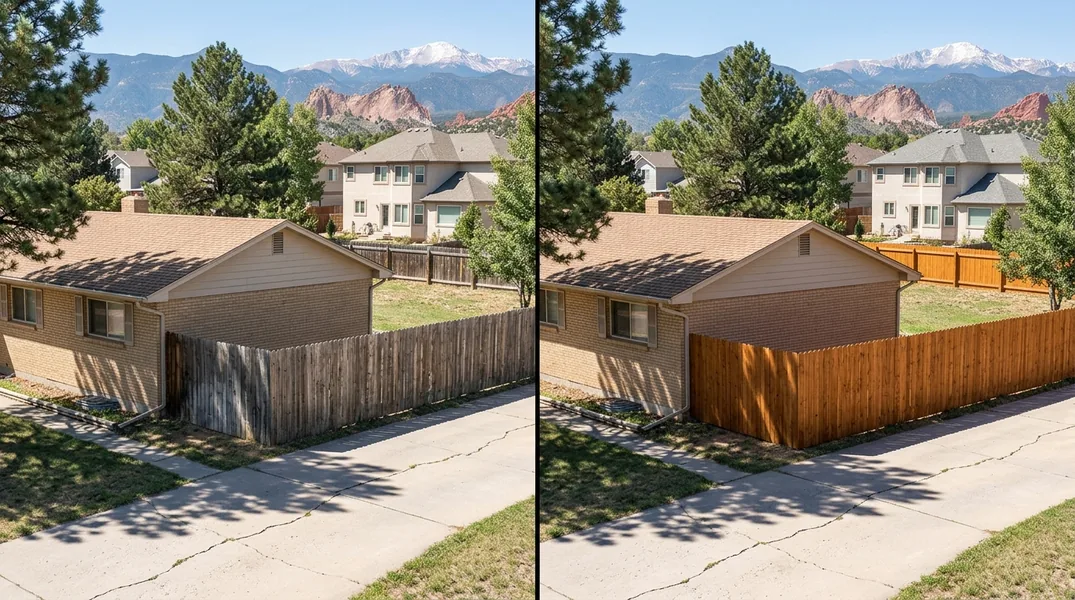
Do You Need a Fence Permit in Colorado Springs?
One of the most common questions homeowners ask when planning a new fence is whether they need a permit. The short answer for Colorado Springs is yes, in most cases you do. The City of Colorado Springs requires a permit for fence installation on residential properties, and this is a step you should never skip. Obtaining the proper permits protects your investment, ensures your fence meets local codes, and prevents costly fines or removal orders down the road.
The permit requirement applies regardless of the type of fence you're installing. Whether you're considering Wood & Privacy Fence Installation, Vinyl & PVC Fence Installation, Chain Link Fence Installation, or Aluminum & Ornamental Iron Fencing, the city will require documentation before work begins. The permit process exists to verify that your fence complies with setback requirements, height restrictions, and other local ordinances. Working without a permit can result in citations, and you may be required to remove or modify the fence at your own expense.
Understanding Fence Height Regulations in Colorado Springs
Fence height regulations in Colorado Springs are straightforward but important to understand before you plan your installation. The city generally allows fences up to six feet in height in residential areas, which is a standard height for privacy fences. However, there are important exceptions and nuances depending on where your property is located and what type of fence you're installing. Front yard fences, for example, are typically limited to four feet in height to maintain sight lines and neighborhood aesthetics. Side and rear yard fences can reach the full six-foot height, which is why many homeowners choose Wood & Privacy Fence Installation for back property lines.
It's also important to note that height regulations may vary slightly depending on zoning classifications and specific neighborhood guidelines. Some areas have stricter requirements, particularly in historic districts or areas with specific architectural guidelines. When you apply for your permit, the city will review your fence plans to ensure they comply with all applicable height restrictions. If your property is near a corner lot or has visibility considerations for traffic safety, the regulations may be even more restrictive. This is why working with experienced professionals who understand local codes is essential. If you're uncertain about the height regulations for your specific property, the city's planning department can provide clarification, or you can reach out to Colorado Springs Fence Company at (719) 425-4642 for guidance.
HOA Approved Fence: Navigating Homeowners Association Rules
If your property is part of a homeowners association, you'll need to navigate an additional layer of approval beyond the city permit. Many HOAs have their own fence guidelines that may be stricter than city regulations. An HOA approved fence means your design, materials, height, color, and style must meet the association's specific requirements. This is a critical step that many homeowners overlook, and it can delay your project significantly if not addressed early. Before you invest time and money into planning your fence, review your HOA's architectural guidelines or contact your HOA board directly to understand what types of fences are permitted.
HOA rules for fencing vary widely depending on the community. Some associations may require specific materials, colors, or styles to maintain neighborhood consistency, while others might prohibit certain fence types altogether. For example, some HOAs prefer Vinyl & PVC Fence Installation over wood because it requires less maintenance and maintains a uniform appearance. Others may have restrictions on wood stain colors or require that fences be set back a certain distance from the street. Getting your HOA approved fence design in writing before construction begins will save you from having to remove or modify your fence after installation. If you're working with Colorado Springs Fence Company, our team can help you navigate HOA requirements and ensure your fence design meets all community standards.
Fence Permit Cost in Colorado Springs: What to Budget
Understanding the pricing associated with fence permits is an important part of your overall project budget. In Colorado Springs, fence permit fees are typically modest compared to the cost of the fence itself, but they're still a legitimate expense you should anticipate. Permit costs generally range from $50 to $150, depending on the scope of your project and the city's current fee schedule. The exact amount will depend on factors like the linear footage of your fence, the type of materials you're using, and whether any inspections are required during or after installation. When you submit your permit application, the city will provide a specific fee quote based on your project details.
Beyond the permit fee itself, you should also consider the cost of having your plans prepared if the city requires detailed drawings. Many simple residential fence projects can be approved with basic sketches and property information, but more complex projects may need professional plans. This is where working with an experienced fence contractor becomes valuable. At Colorado Springs Fence Company, we handle the permit process as part of our service, which streamlines the entire experience and ensures nothing is overlooked. We recommend getting a free estimate from our team so you can understand the total project cost, including permits, materials, and installation. Transparency about all costs upfront helps you budget effectively and avoid surprises.
The Permit Application Process and Timeline
The permit application process in Colorado Springs is relatively straightforward for most residential fence projects. You'll need to submit an application to the city's planning or building department that includes your property address, a site plan showing the fence location and dimensions, details about materials and height, and a sketch or photo of the proposed fence design. The application should also specify setback distances from property lines, as the city requires fences to be set back a certain distance in some cases. Once submitted, the city typically reviews applications within five to ten business days, though more complex projects may take longer. During this review period, the city checks your plans against all applicable codes and regulations.
Timeline considerations are important when planning your fence installation. If you're hoping to have your fence completed by a specific date, you should apply for your permit well in advance. After approval, the city will issue your permit, and you can begin construction. Some projects may require an inspection after installation is complete, which adds a few more days to the overall timeline. If you're working with a professional fence contractor like Colorado Springs Fence Company, they can handle the entire permit process for you, which eliminates confusion and ensures everything is completed correctly. We recommend calling us at (719) 425-4642 to discuss your timeline and get started on your project.
Common Permit Issues and How to Avoid Them
Several common mistakes can delay or complicate your fence permit approval. One of the most frequent issues is inaccurate property line information or setback violations. Fences must be installed within your property boundaries, and the city requires specific setbacks from the street and sometimes from neighboring properties. Before you apply for a permit, verify your exact property lines by reviewing your property deed or having a survey done if there's any uncertainty. Another common problem is underestimating the scope of your project or failing to disclose existing utilities. Underground utilities like water lines, gas lines, and electrical conduits must be located before installation begins, and you'll need to call 811 for a free utility locate service before digging.
HOA conflicts also create delays in communities with homeowners associations. If your HOA requires approval and you haven't obtained it before submitting your city permit application, you may face rejection or have to resubmit after HOA approval. Always coordinate with your HOA first, then proceed with the city permit. Additionally, choosing materials that don't comply with local codes can result in permit denial. For example, some areas restrict certain fence materials or require specific finishes. Working with an experienced contractor who knows Colorado Springs regulations inside and out helps you avoid these pitfalls. Colorado Springs Fence Company has completed hundreds of permitted fence projects and knows exactly what the city requires. Contact us today for a free estimate and let us handle the permit process for you.
Looking for a professional fence contractor in Colorado Springs? Colorado Springs Fence Company responds fast for all your fence needs.
Get a Free Quote